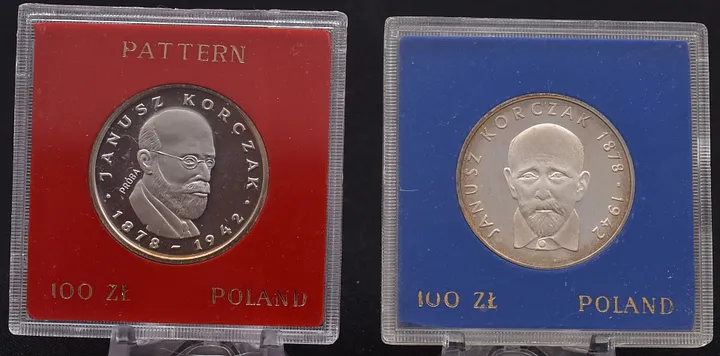
Janusz Korczak: Jewish Hero & Champion of Children
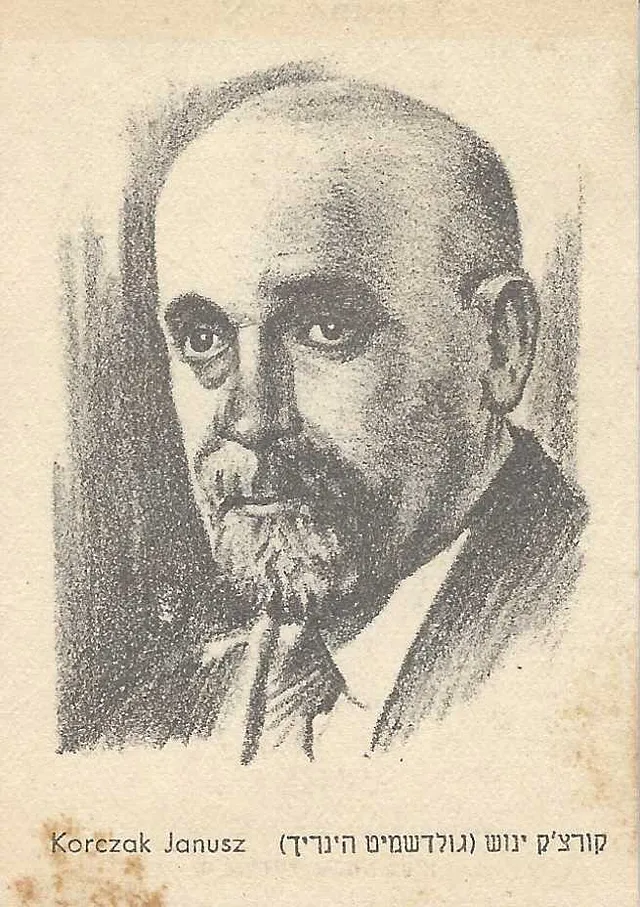
Born Henryk Goldsmit in 1871, in Warsaw, Poland, Korczak was a pediatrician, author, educator, and school master who advocated tirelessly for children’s rights.
In all of his writings, the overarching theme is his steadfast belief that children deserve respect and should be taken seriously. “Children are not people of tomorrow; they are people today,” he wrote in his 1919 Declaration of Children’s Rights. His pedagogical writings are still seminal for educators around the world, and the UN’s 1989 “Convention of the Rights of the Child” is largely inspired by his writing.
Despite the breadth of his career, Korczak’s most profound legacy is his work with Polish orphans—and the loyalty he showed “his” children in the face of the unspeakable horrors of the Holocaust.
In 1912 and 1919, respectively, Korczak opened his two orphanages in Warsaw, Dom Sierot and Our Home. Jewish children between the ages of seven and fourteen lived at these orphanages while attending Polish public school and government-sponsored Jewish schools, known as Sabbath schools. The pedagogy Korczak used at both orphanages was centered around fostering children’s independence and empowering them to become experts at whatever interested them.
In 1940, after the German occupation of Poland, Korczak’s orphanage was moved into the ghetto. Korczak himself received several offers from the Polish Underground to be smuggled out of the ghetto and into the “Aryan side” of the city, but he refused to leave his children behind.
“You do not leave a sick child in the night, and you do not leave children at a time like this,” he wrote in his diary.
Nor did he leave his children on August 5, 1942, when German officers rounded up the nearly 200 children and staff members at Dom Sierot for deportation to Treblinka.
Korczak was once again offered the opportunity to escape. One story goes that an SS officer recognized him as the author of one of his favorite children’s books; another suggests that Nazi authorities had some kind of “special treatment” in mind for Korczack. Regardless, Korczak refused, instead enduring the four-hour march and boarding the trains with his children in order to comfort and care for them in this time of abject terror.
Important Moments
Highlights from the Collection
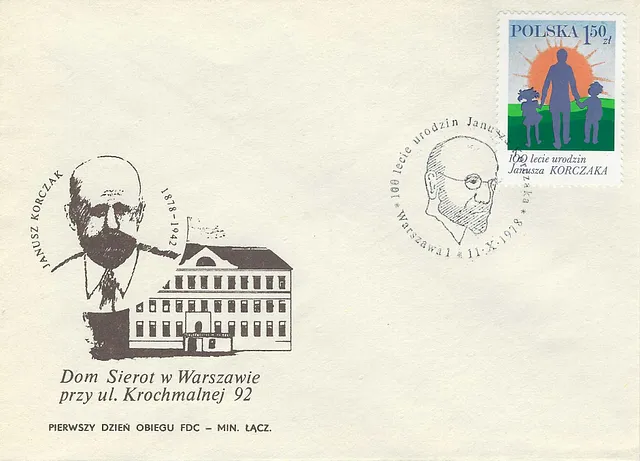
A polish stamp featuring Janusz Korczak’s likeness, issued in 1978, 100 years after his death.
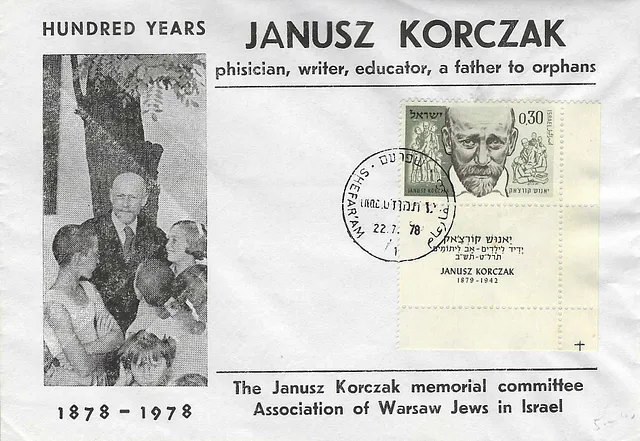
An Israeli postage stamp featuring Janusz Korczak’s likeness, issued in 1978, 100 years after his death.
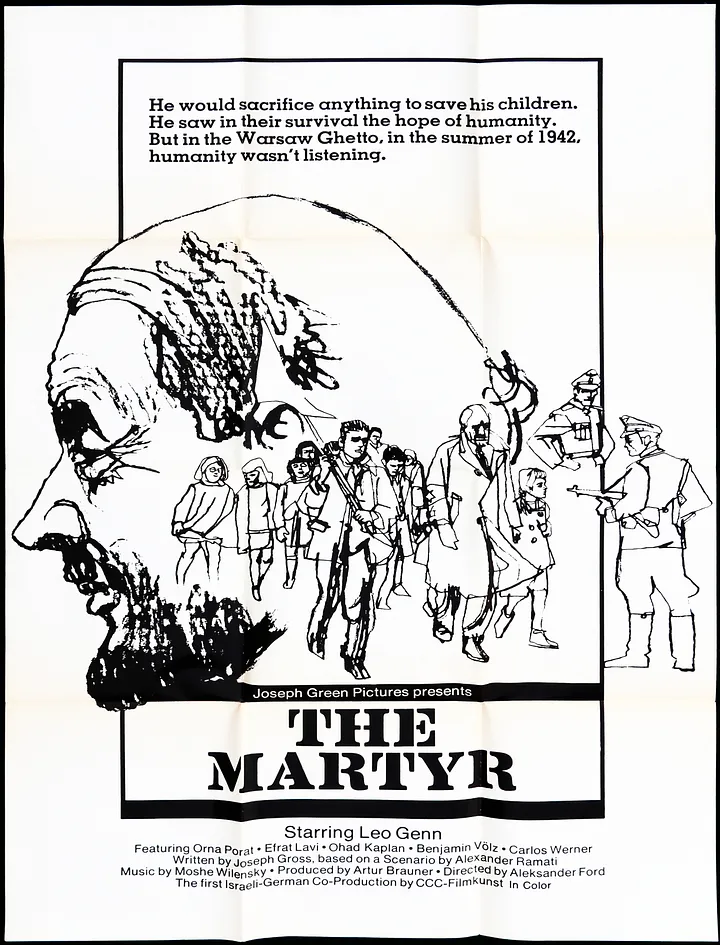
An original poster from “The Martyr” a 1973 English-language Israeli-German co-production based on Janusz Korczak’s heroism, directed by Polish director Aleksander Ford.
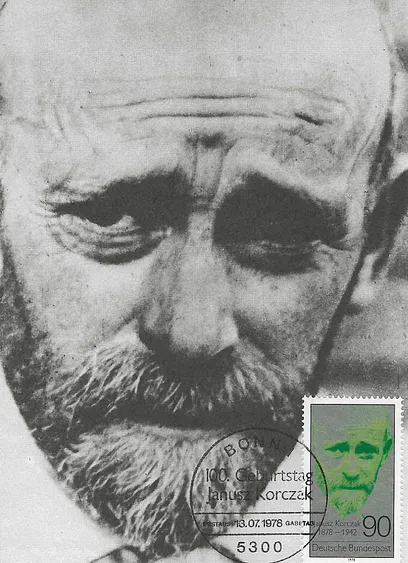
German stamps featuring Janusz Korczak’s likeness, issued in 1978, 100 years after his death.
A cigarette trading card featuring Janusz Korczak, from Israel’s Kedem Cigarette Company (front)

A cigarette trading card featuring Janusz Korczak, from Israel’s Kedem Cigarette Company (back)