Lt. Marvin Markowitz
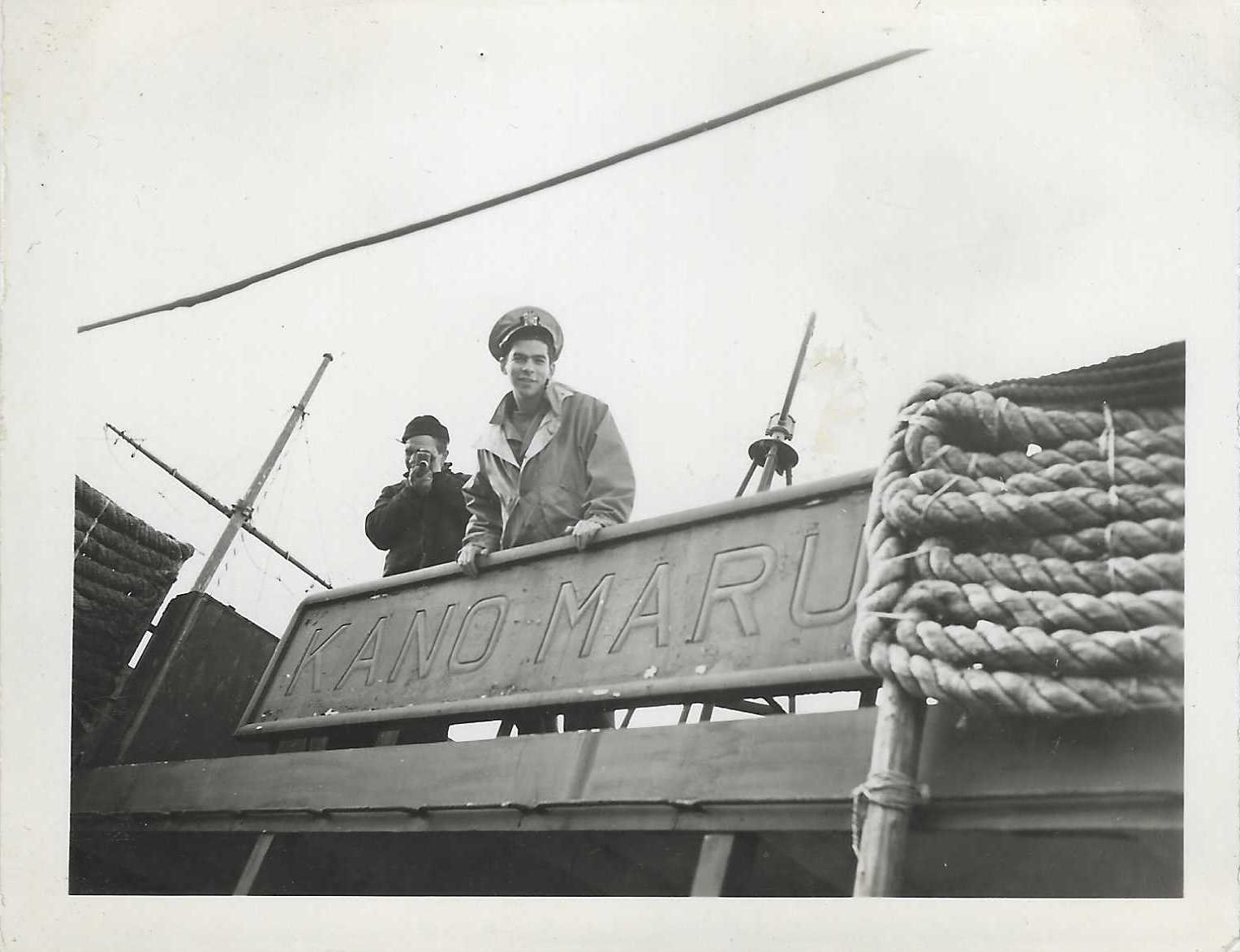
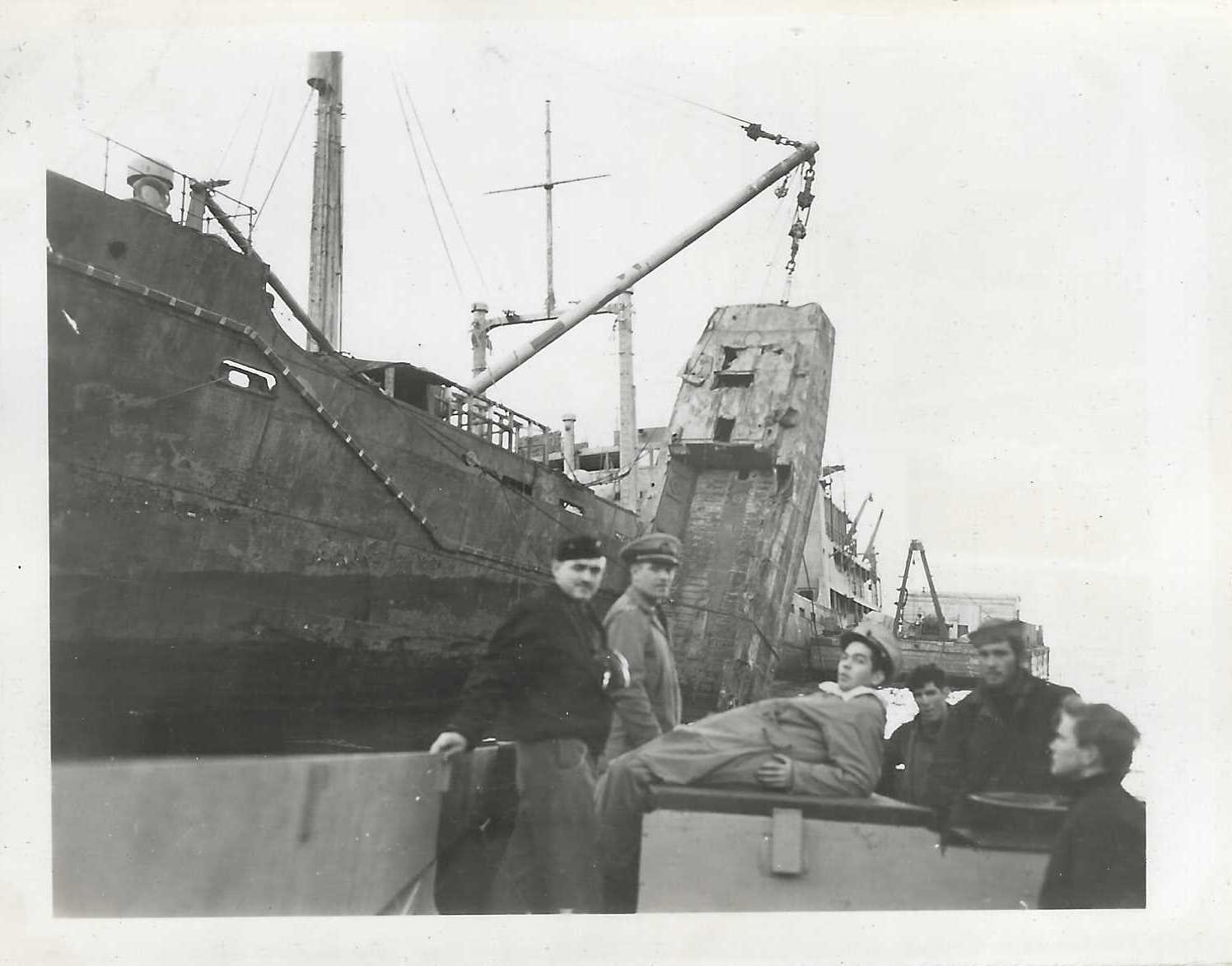
In July 1942, the Imperial Japanese cargo ship Kano Maru was struck by torpedoes from the USS Grunion in the fog off Kiska Island, in the farthest reaches of the Aleutians—one of the colder corners of the Pacific theater. Damaged but not sunk, the Kano Maru was towed into Kiska Harbor, then finished off by an air attack that September, run aground, and abandoned—a rusting Japanese wreck sitting in what would soon be American-held waters once US forces retook the island in August 1943. The wreck became, for the servicemen stationed there afterward, a strange local landmark.
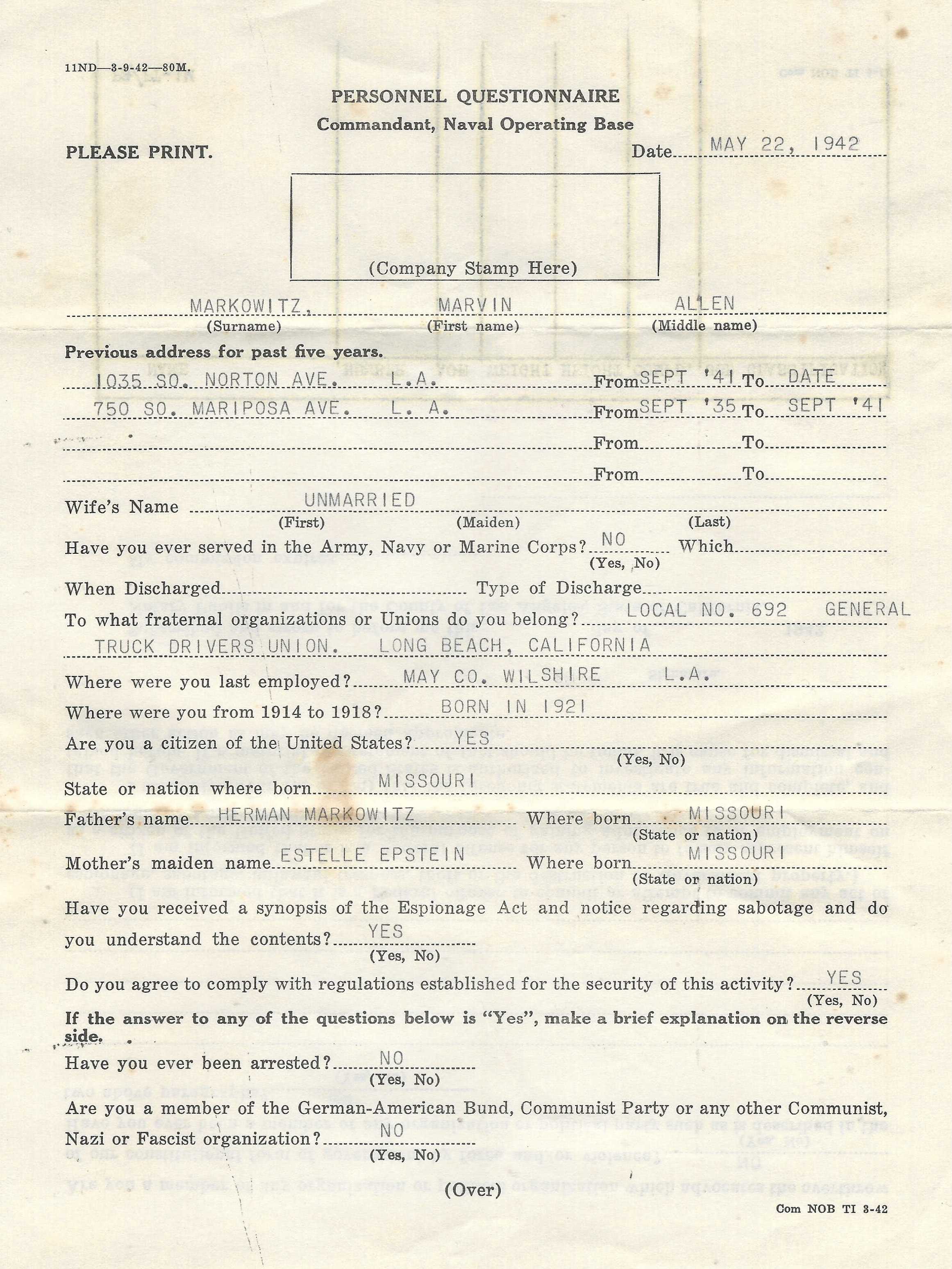
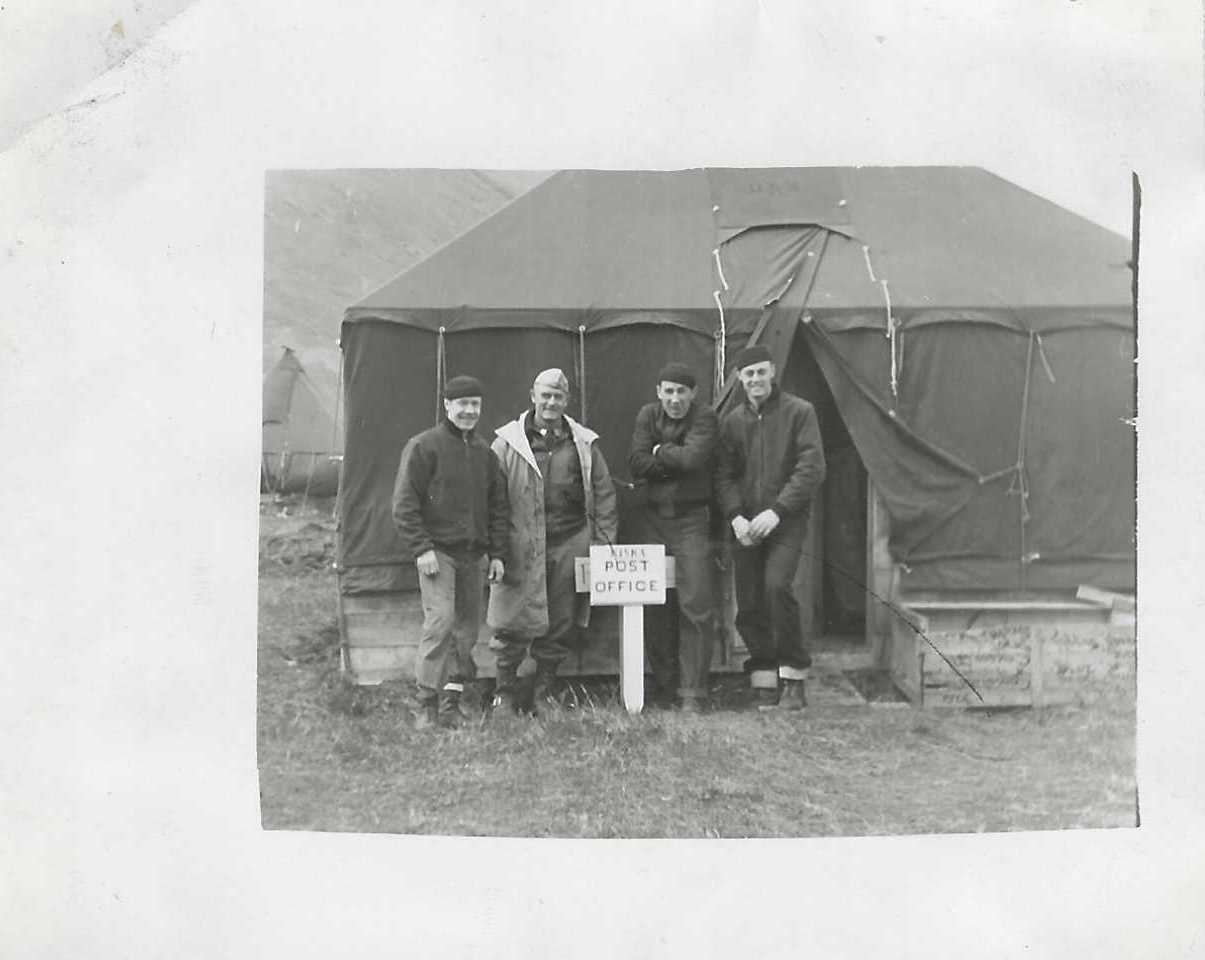
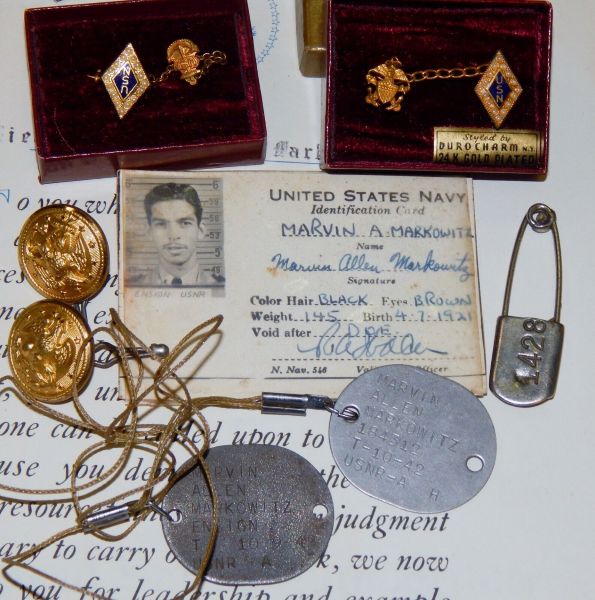
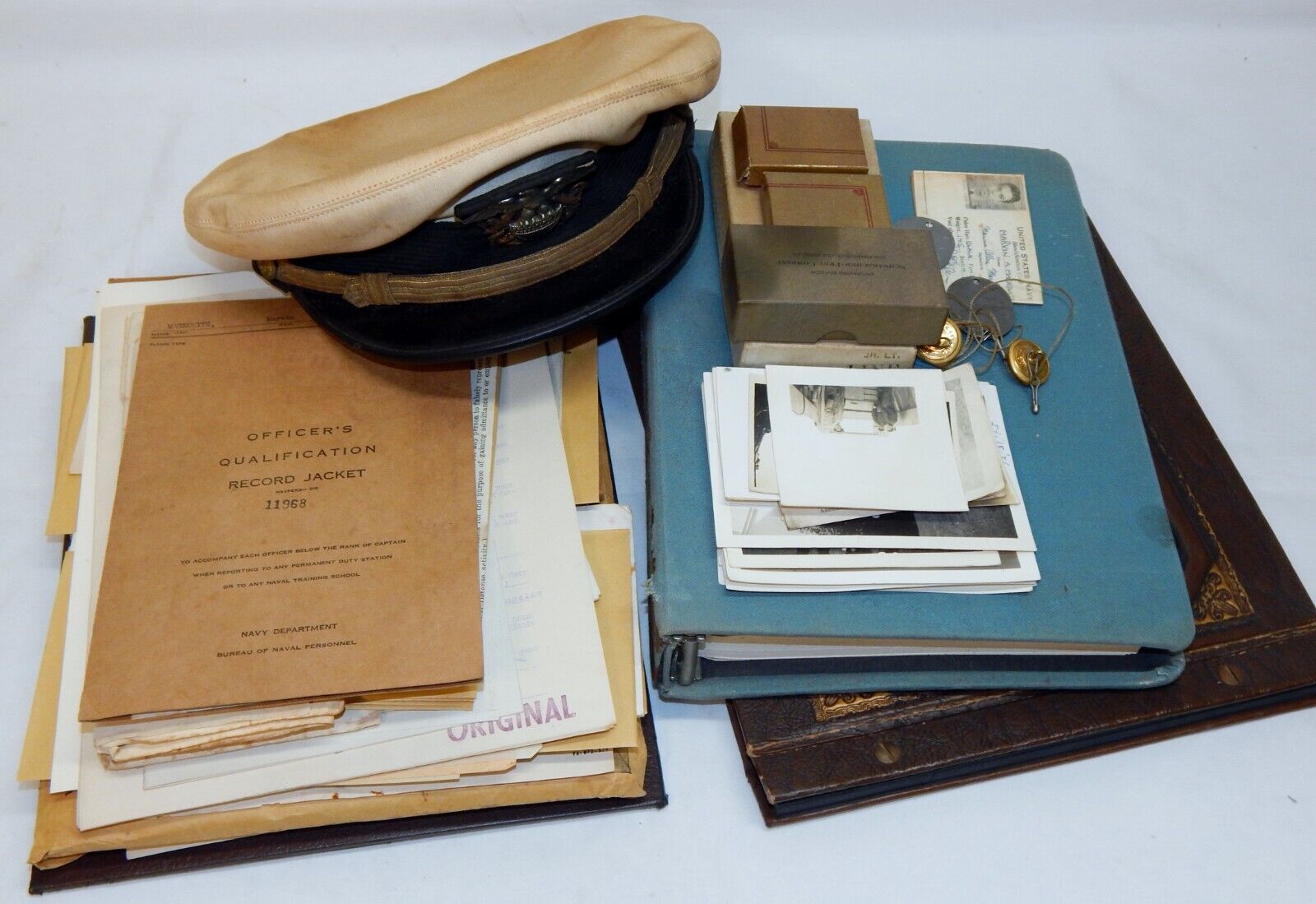
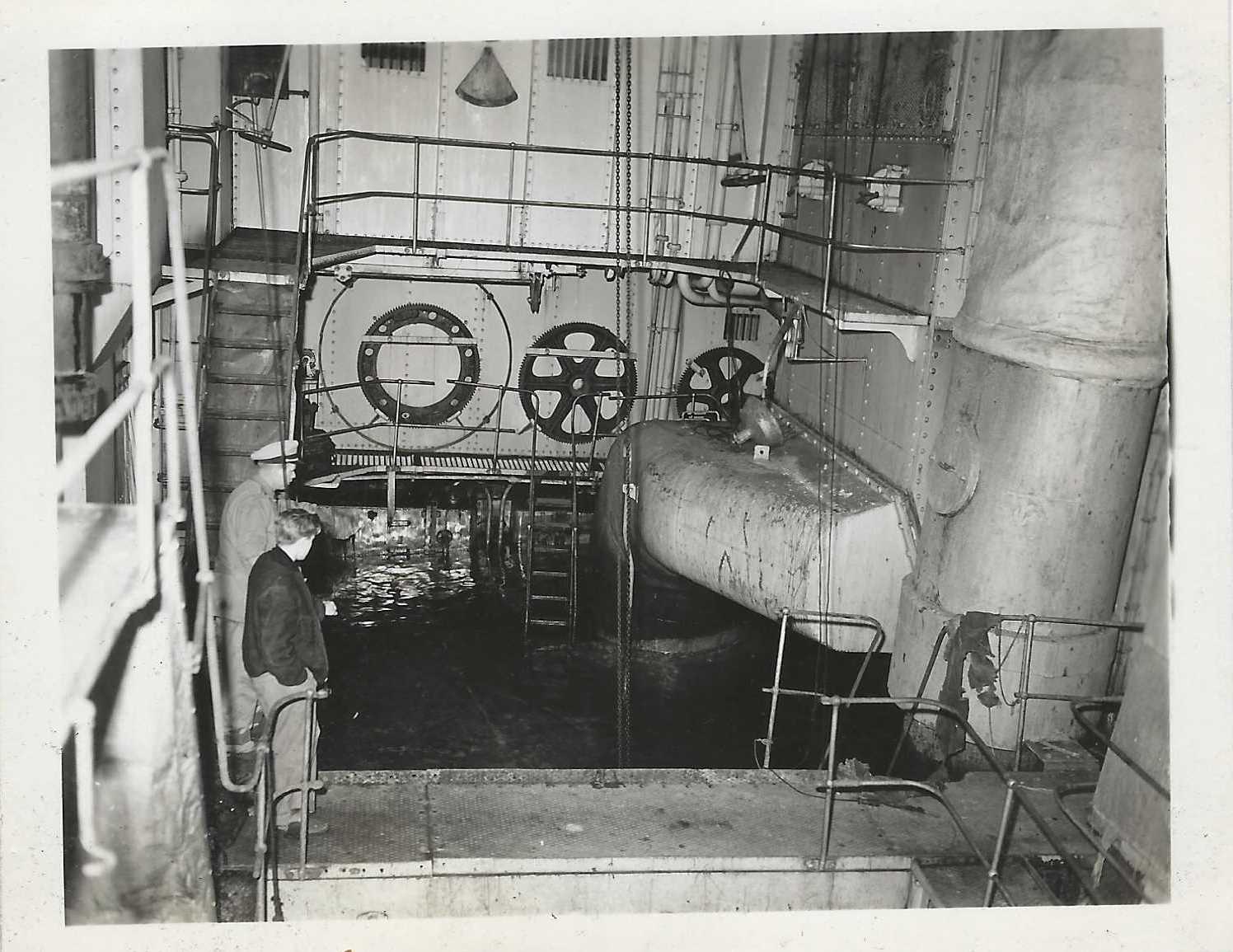
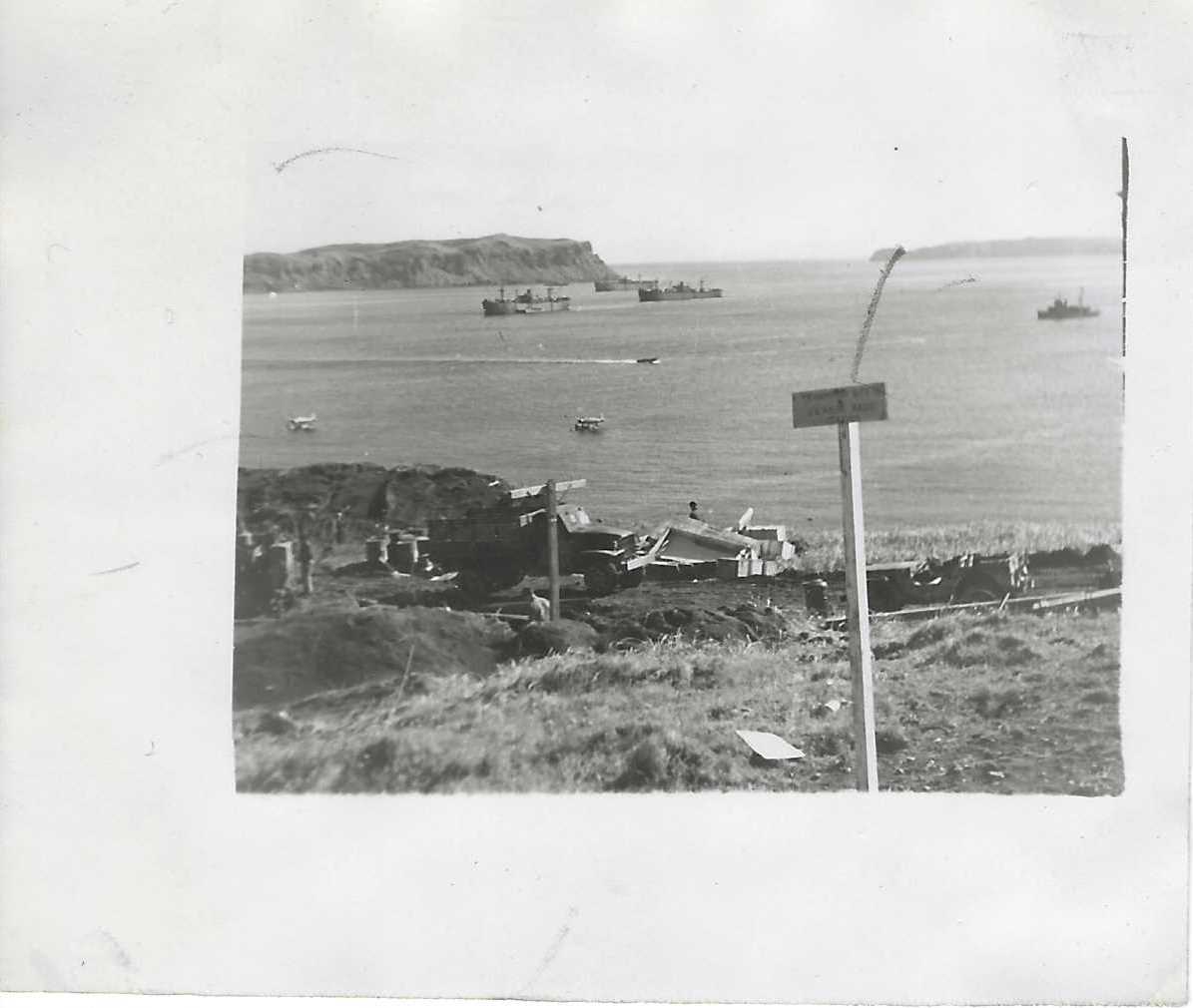
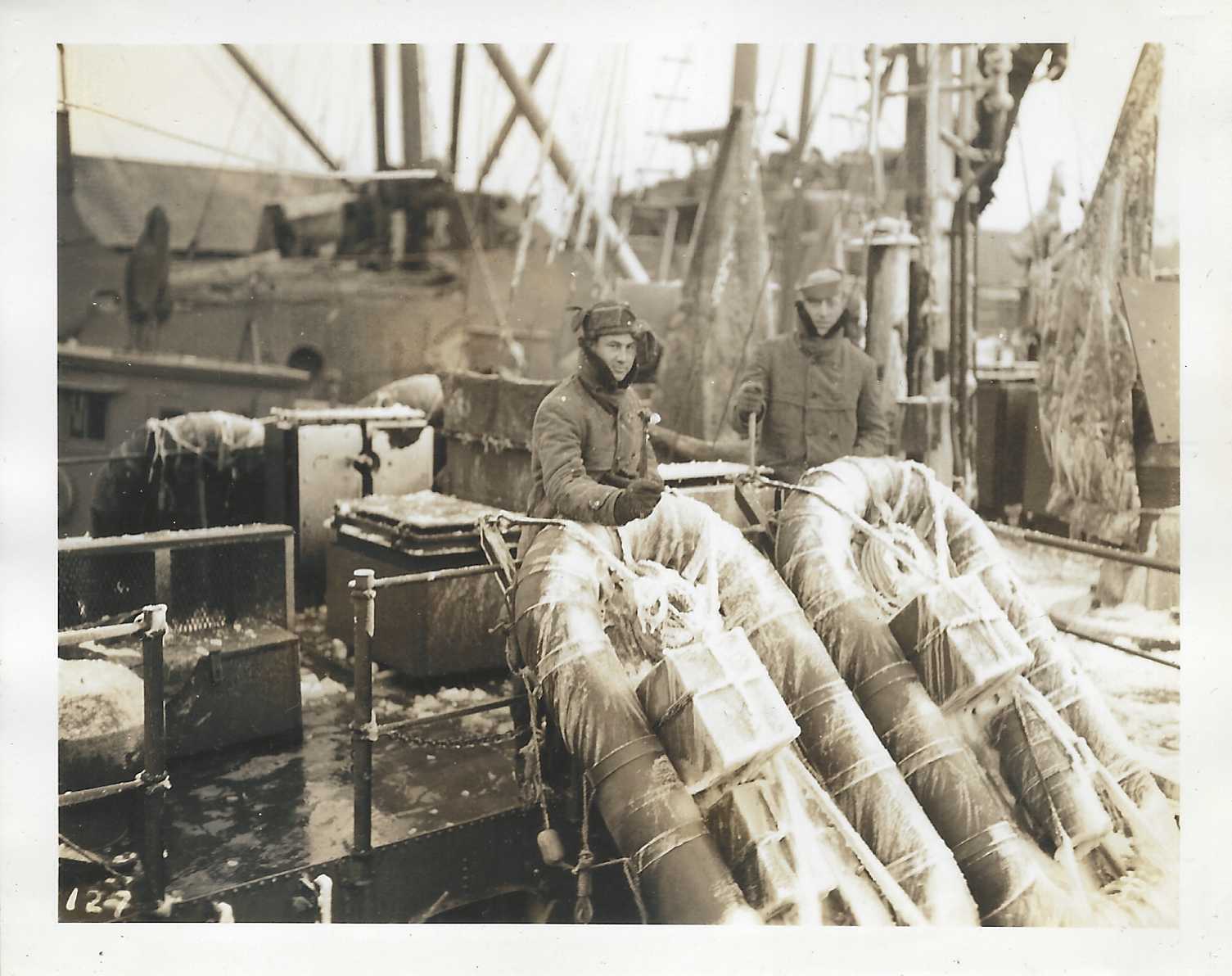
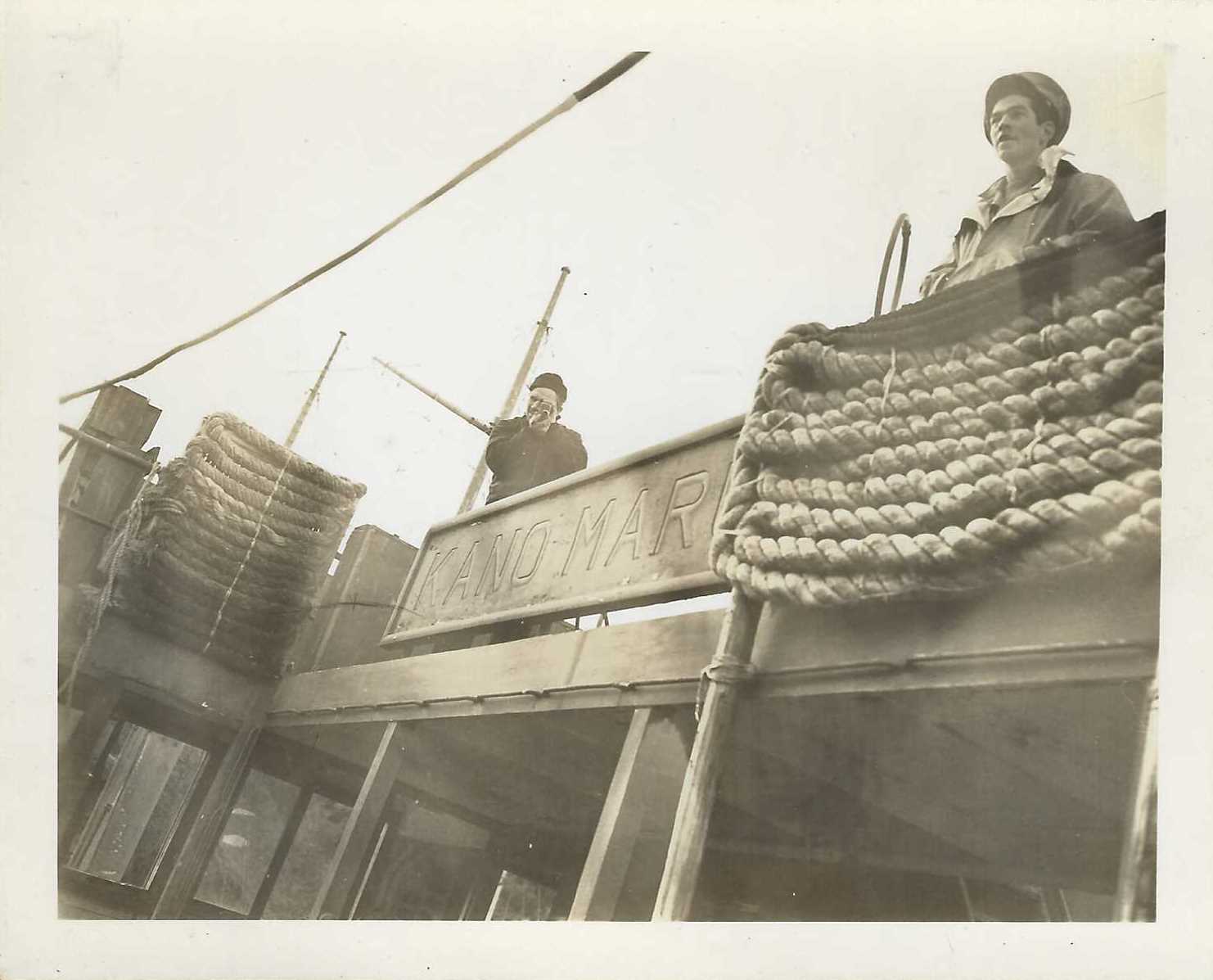
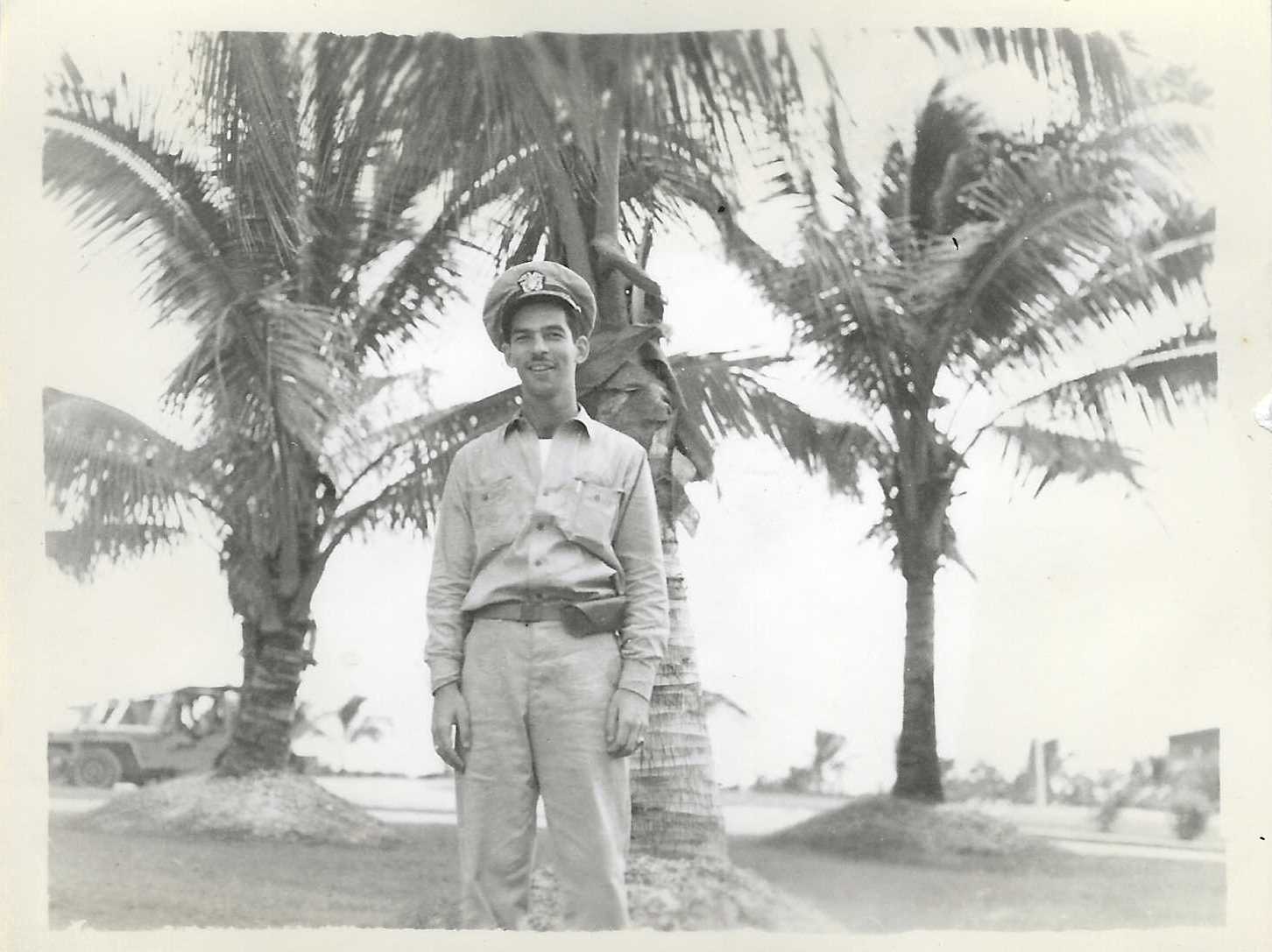
One of those servicemen was Marvin Allen Markowitz—a twenty-one-year-old truckers' union employee in Los Angeles, born in Missouri to Herman Markowitz and Estelle Epstein. When he registered for the draft in 1942, he was granted an occupational deferment that would have been good until that November. But he didn't use it. Instead, he went ahead and entered the Navy as an Ensign. His service took him to the Aleutians, where photographs place him at Kodiak and at Kiska—standing over the grounded Kano Maru, posing by its nameplate, documenting its flooded engine room, and standing under a hand-lettered "Kiska Post Office" sign with three other sailors, the kind of dry joke that marks a posting defined by isolation more than combat. Still, he left his home and family to serve, and by the time he was discharged and returned home, he’d been promoted to Lieutenant.
Stories like Markowitz’s are the reason I do what I do. He’s not a sensational headline; he’s a single individual—a Jewish kid—whose face and voice personalize both US and Jewish history and whose story, of giving up a deferment for an isolated post in a freezing territory, deserves to be told.
Important Moments
Highlights from the Collection