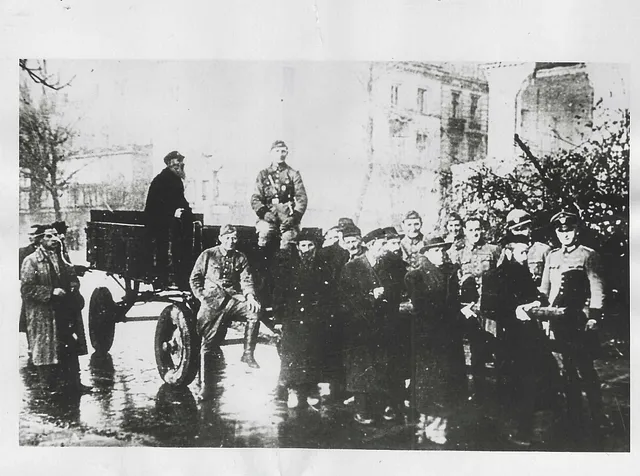
Polish Ghettos

In September of 1939, shortly after the German invasion of Poland, Reinhard Heydrich ordered the segregation of Jews in Warsaw. The first Jewish ghetto was established a few days later in Piotrków Trybunalski—the first of more than 1,000 to be established in German-occupied territories.
Conditions in the ghettos were abysmal. The areas were surrounded by high walls, with nobody allowed in or out without a permit. Overcrowding and lack of resources led to hunger and starvation, poor sanitation, and wildfire-fast spread of disease. (For a little perspective: The Warsaw Ghetto, the largest one established, held roughly 450,000 Jewish people within about 1.3 square miles.) What’s more, the winter months brought freezing conditions with little or no access to heat. Numbers vary, but it is estimated that anywhere from tens of thousands to upward of half a million people died in the ghettos.
Important Moments
Highlights from the Collection
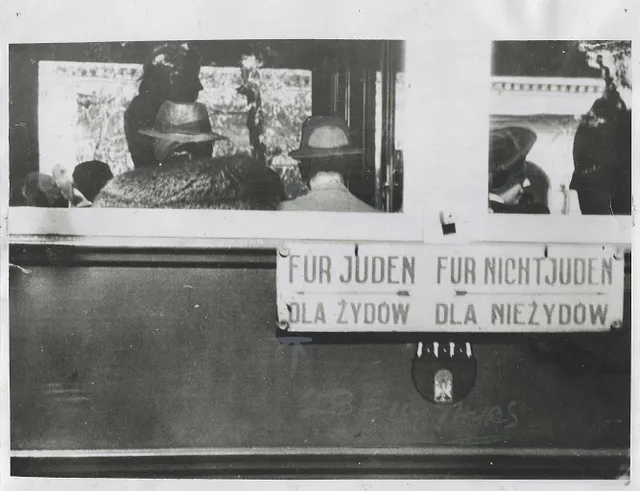
The sign on this streetcar in the Warsaw Ghetto says "For Jews" and "For Non-Jews"
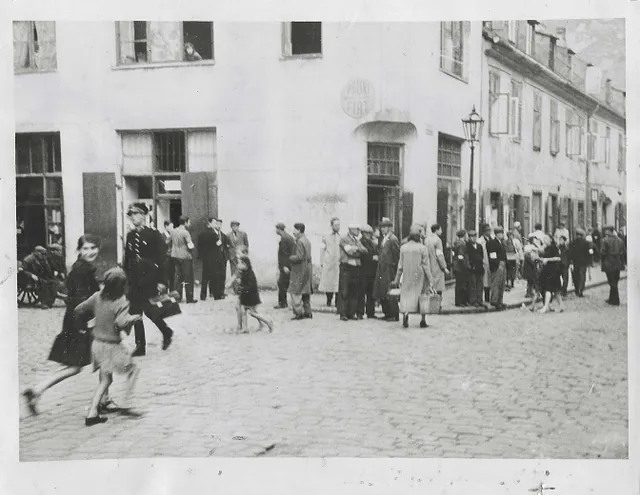
Original wire photo of the Warsaw Ghetto, where conditions were miserable and the Jews (and other "undesirables") who'd been sent there fell into poor health.
This photograph was taken in the ghetto in Lublin, Poland, on January 14, 1941. It's likely that none of these children survived.
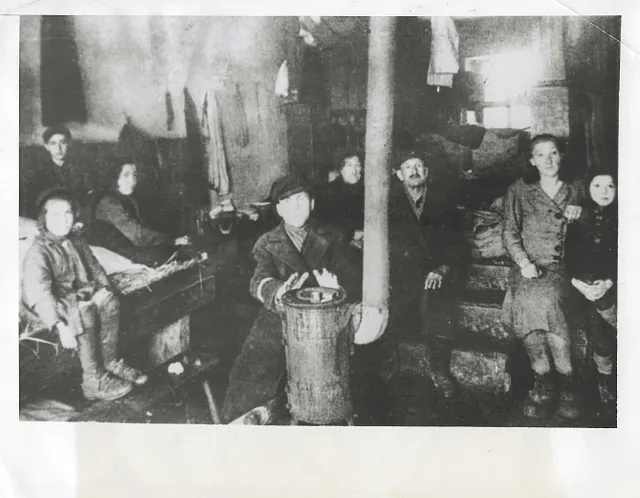
Original wire photo of the Warsaw Ghetto, where conditions were miserable and the Jews (and other "undesirables") who'd been sent there fell into poor health.

Children in the ghetto in Lublin, Poland, January 14, 1941. You don't have to look all that closely to see that the avuncular Nazi soldier who appears to be giving them friendly advice was altered or even added to the photo after the fact. AI slop, 1940s style.
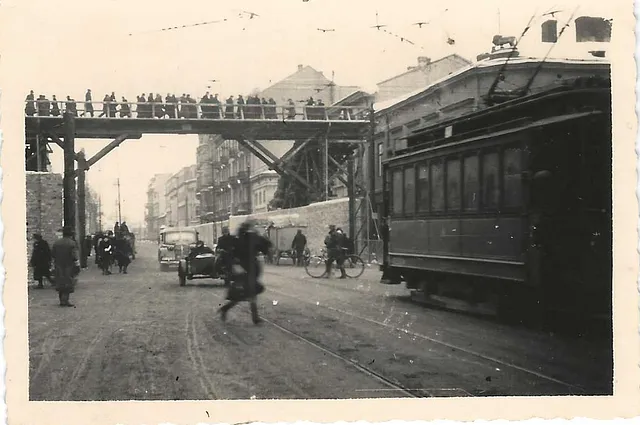
Original wire photo of the Warsaw Ghetto, where conditions were miserable and the Jews (and other "undesirables") who'd been sent there fell into poor health.
Original wire photo of the Warsaw Ghetto, where conditions were miserable and the Jews (and other "undesirables") who'd been sent there fell into poor health.
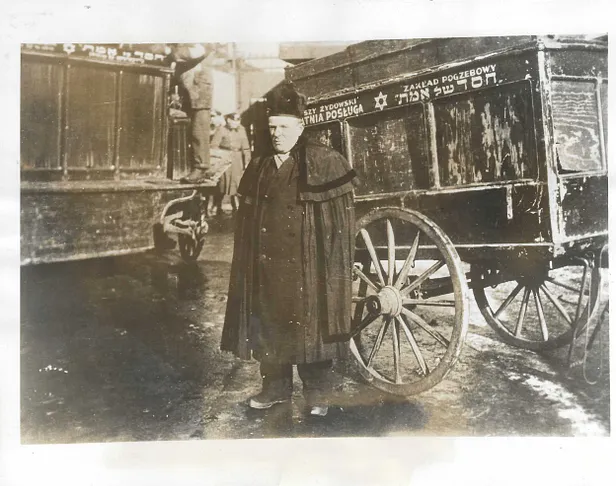
Original wire photo of the Warsaw Ghetto, where conditions were miserable and the Jews (and other "undesirables") who'd been sent there fell into poor health.