The Guttman Collection: The Two Stanleys
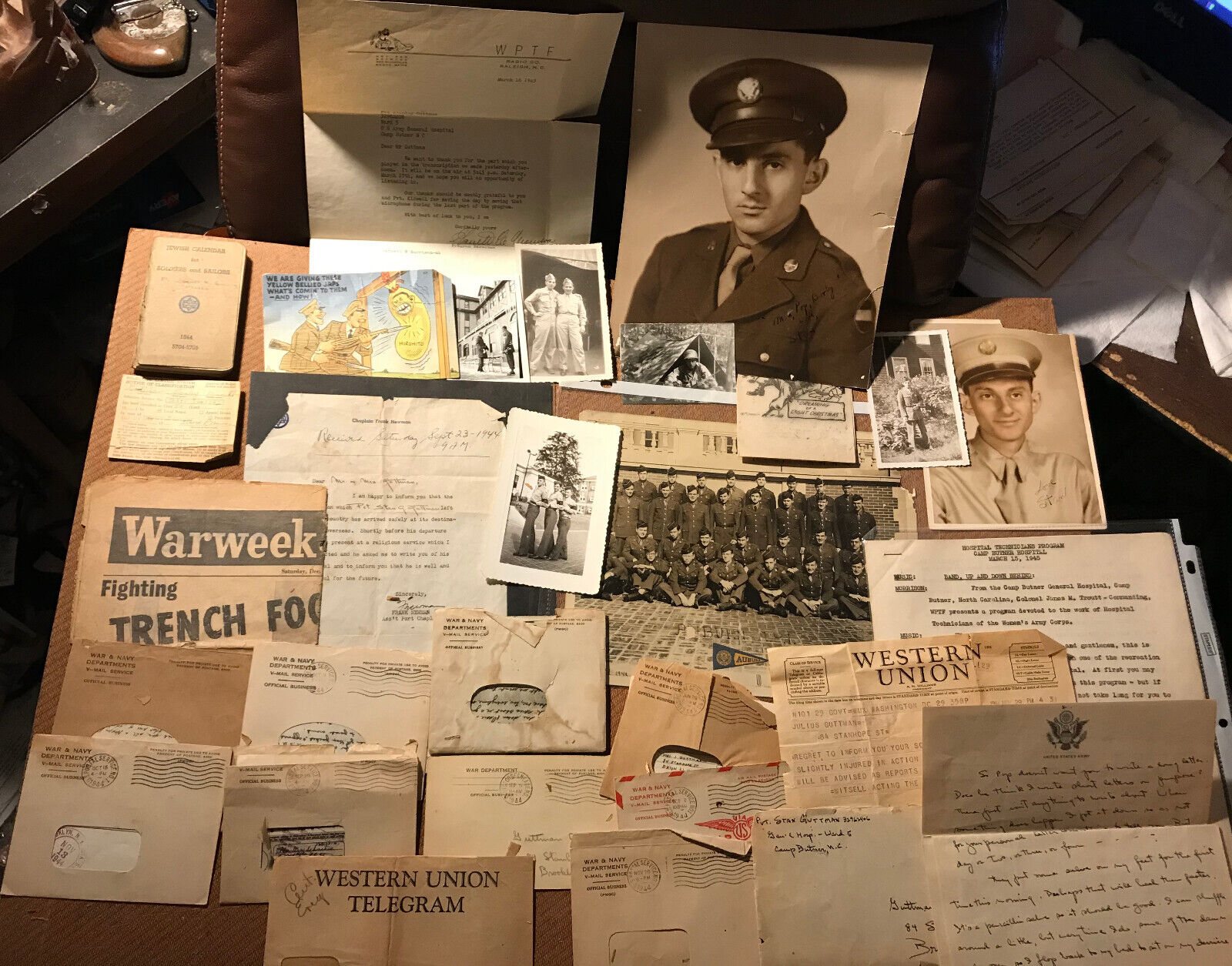
The Guttman is one of my favorite examples of how collecting and preserving artifacts can really personalize elements of history we often only see sensationalized in textbooks and blockbuster films.
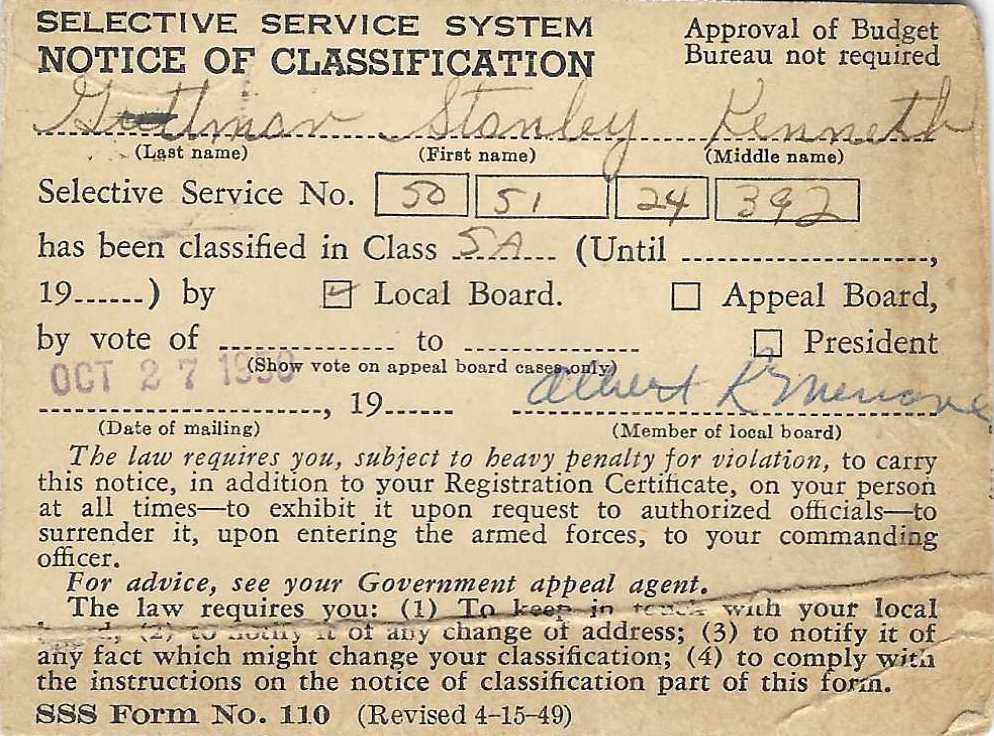
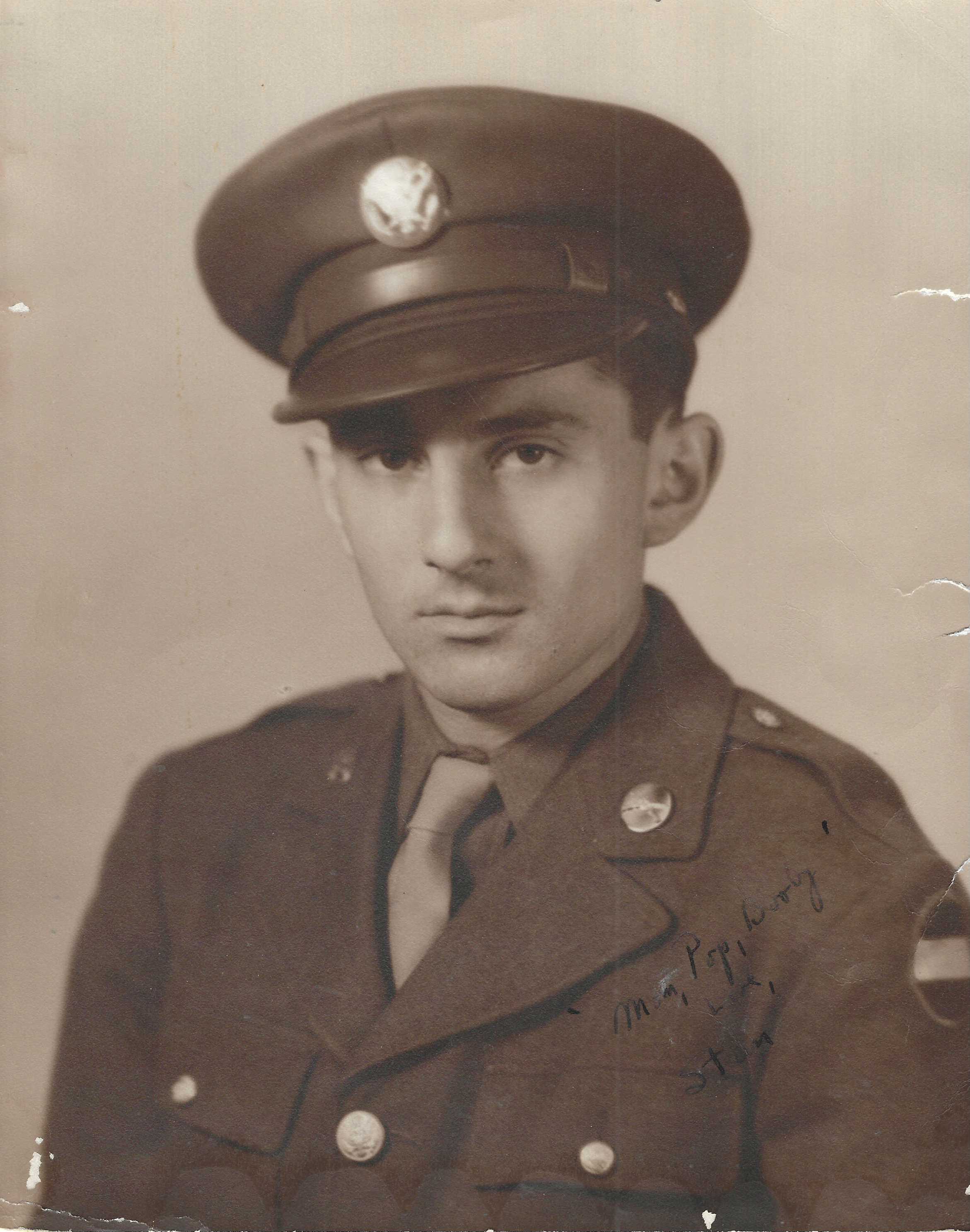
Two Brooklyn boys, both named Stanley, went to war in 1944. Stanley Schachne, of Stockholm Street, and Stanley Kenneth Guttman, of nearby Stanhope Street, served together in the 357th Infantry Regiment, 90th Infantry Division. Both boys wrote home to Mrs. Guttman. Schachne, concerned about his own mother, asked Mrs. G. (as he called her) to shield her from worry. So, Mrs. Guttman became the connective thread between both families for the better part of a year—writing, reassuring, sending packages, and reporting back on each mother to both sons.
This collection follows both Stanleys through 1944, through V-mail from the beaches of France to the fortified towns of the Siegfried Line, a soldier's diary kept in the back of a Jewish Welfare Board calendar, and the telegrams that reached two Brooklyn families within three weeks of each other: One Stanley (Guttman) was injured and the other (Schachne) Missing in Action—never recovered but later reclassified as Killed in Action.
Important Moments
Highlights from the Collection
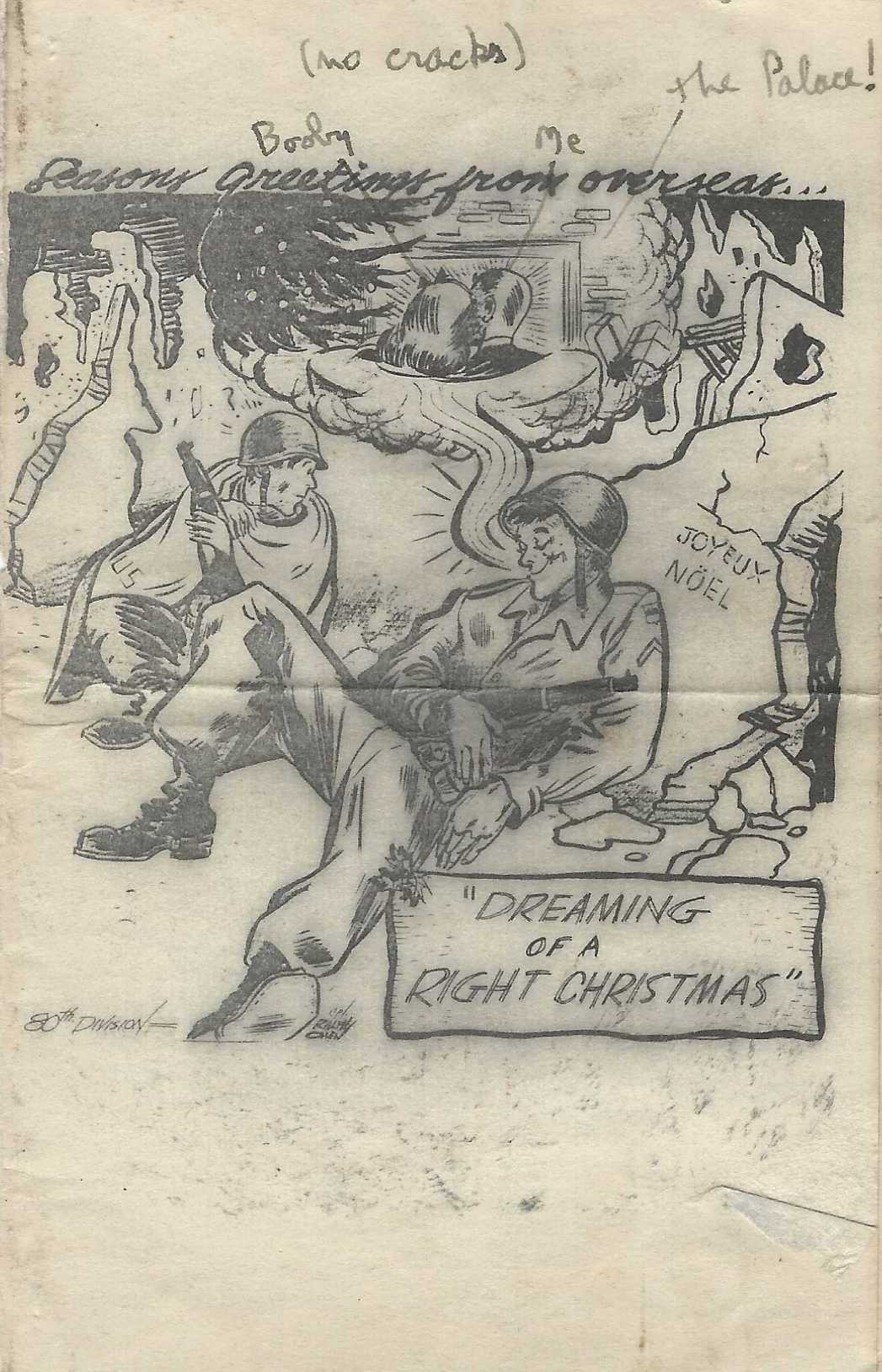
The back of Stanley G.'s holiday card, with annotations.
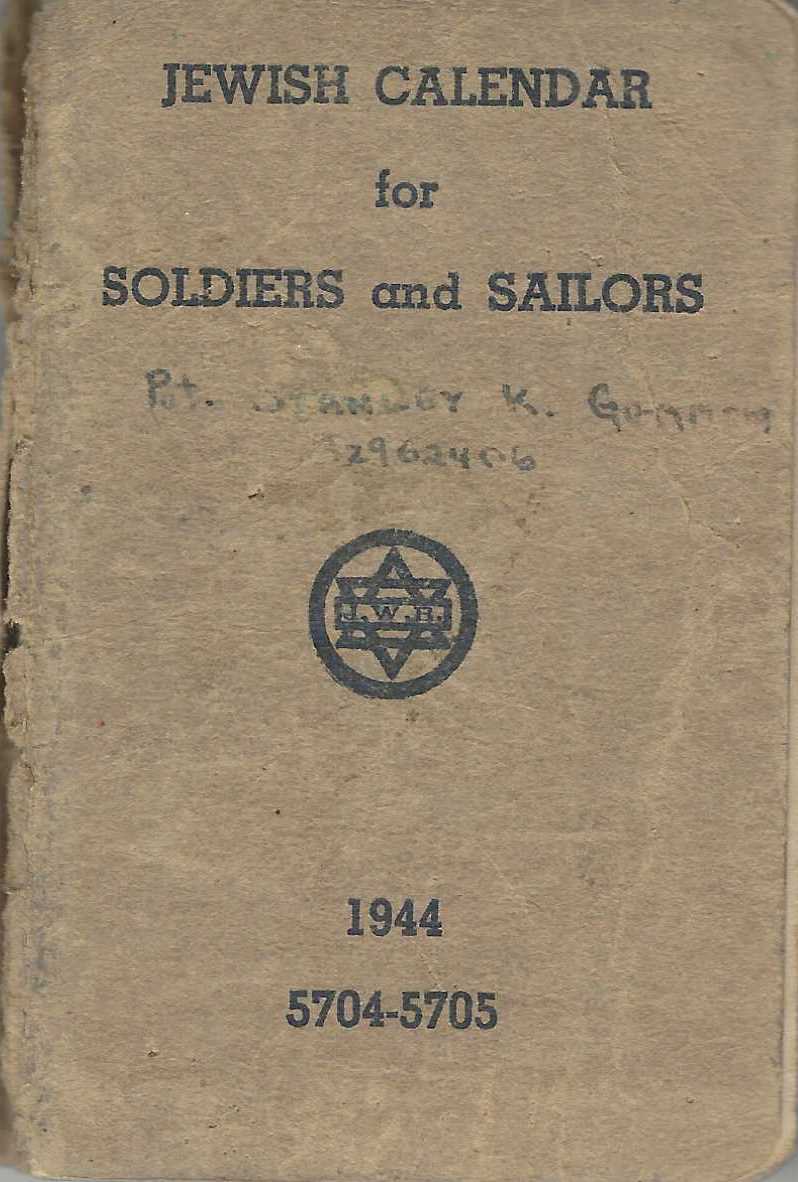
Stanley Guttman kept a diary in his Jewish Welfare Board calendar.
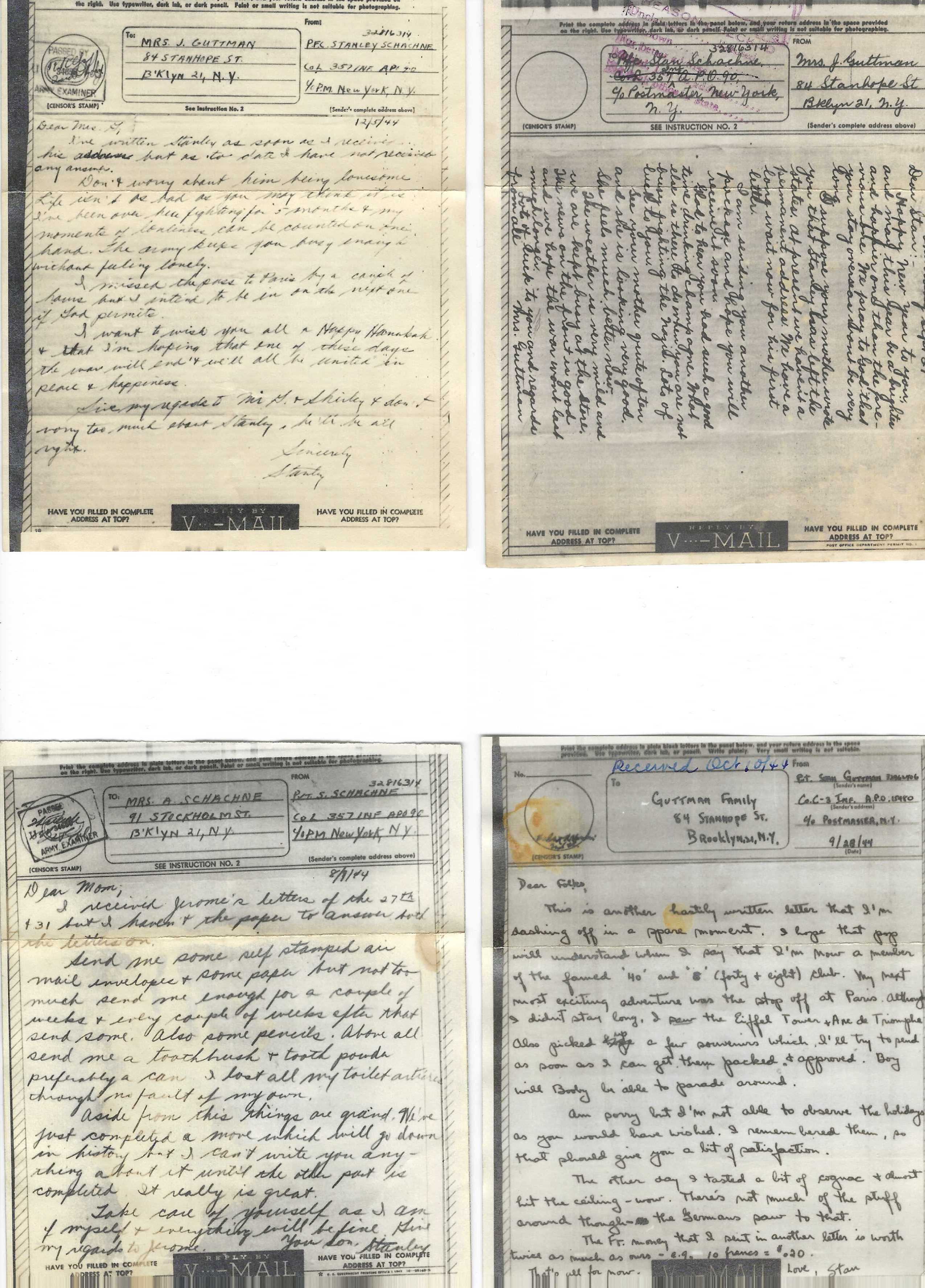
Several V-Mails written to and from the Stanleys and their mothers.
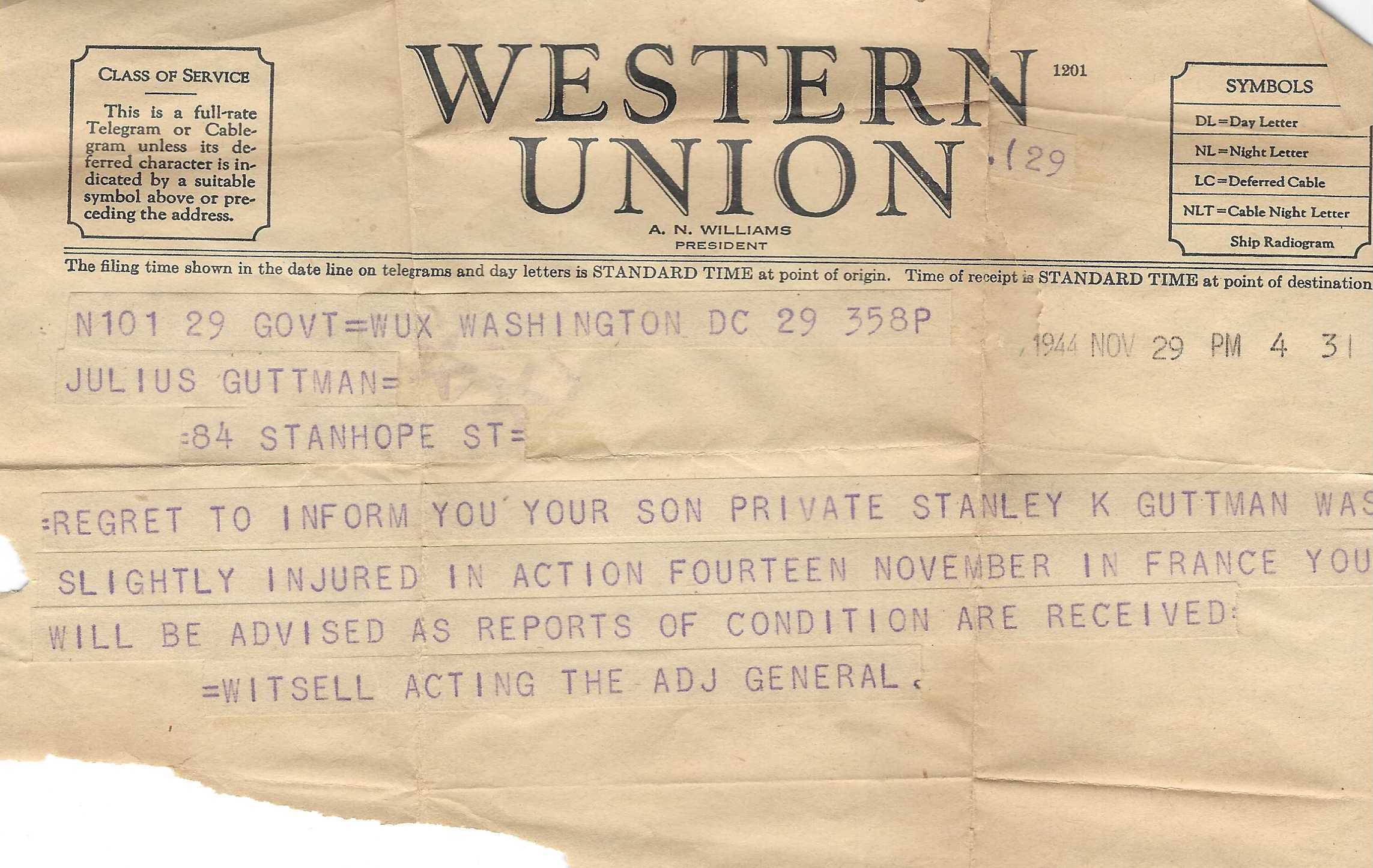
A telegram telling Stanley G.'s parents he had been "slightly injured" overseas.
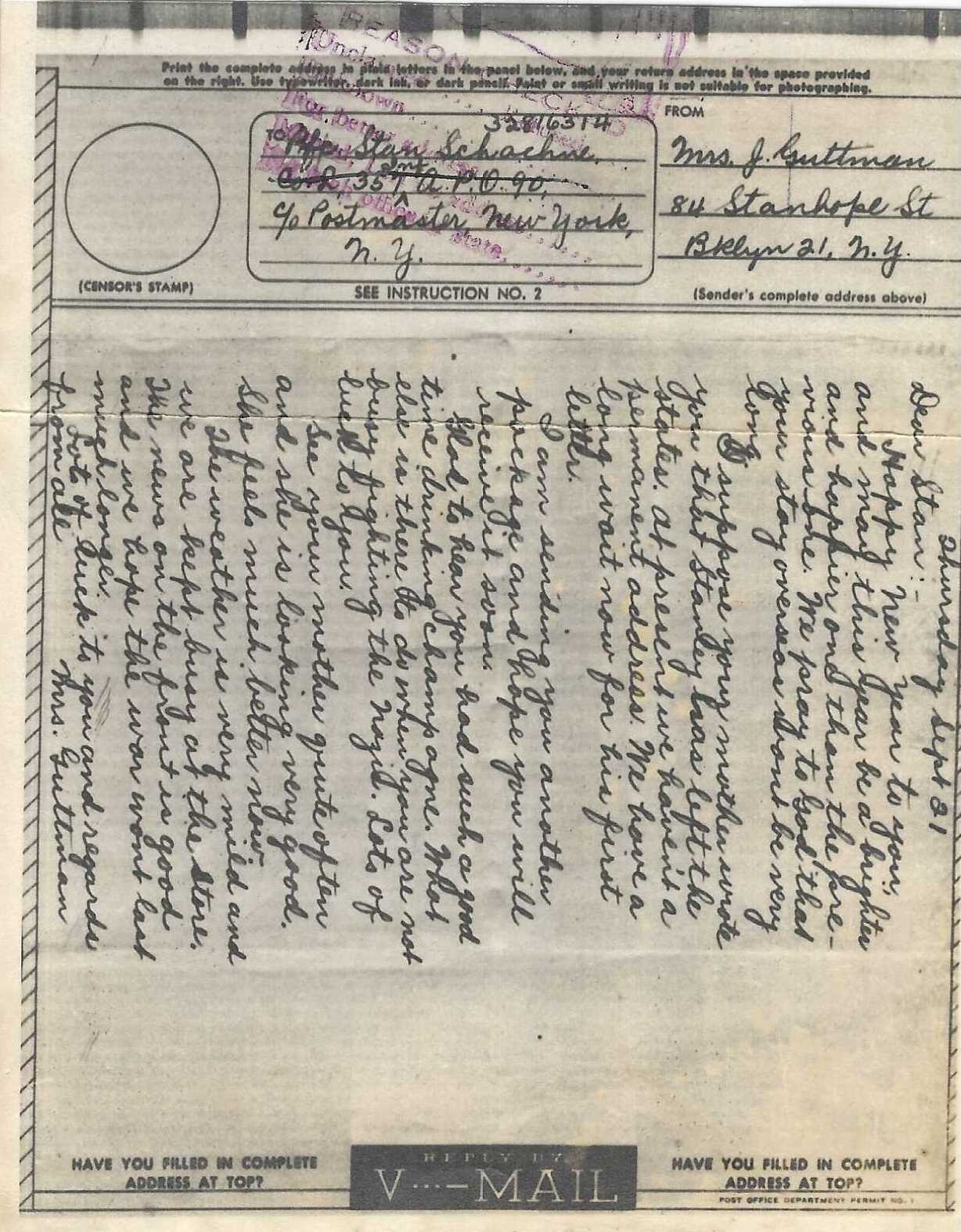
A letter Mrs. G. wrote to Stanley S. This one didn't reach him before his death but was returned undelivered.
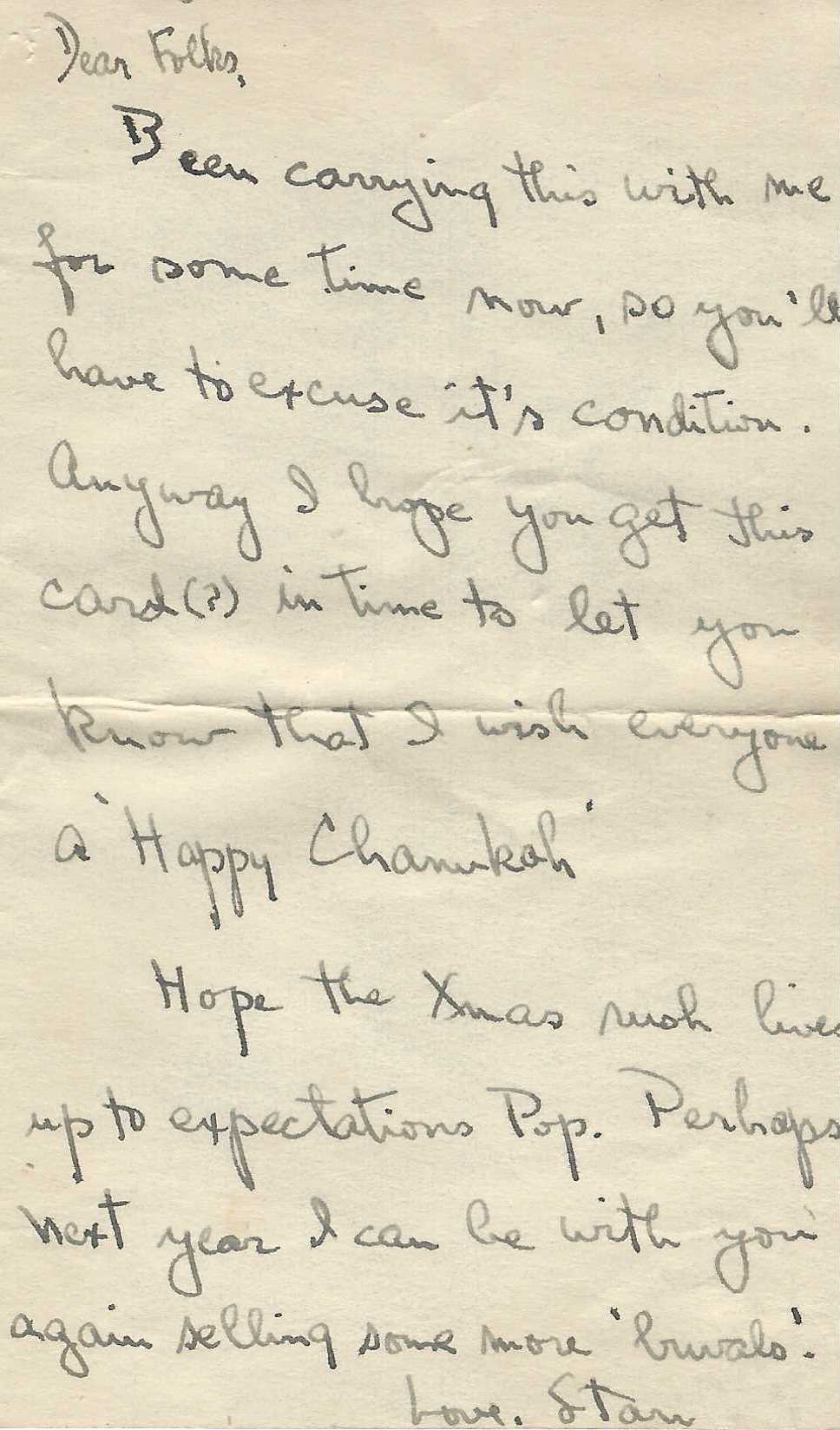
A holiday card Stanley G. sent back home wishing his folks a happy Hanukkah.